
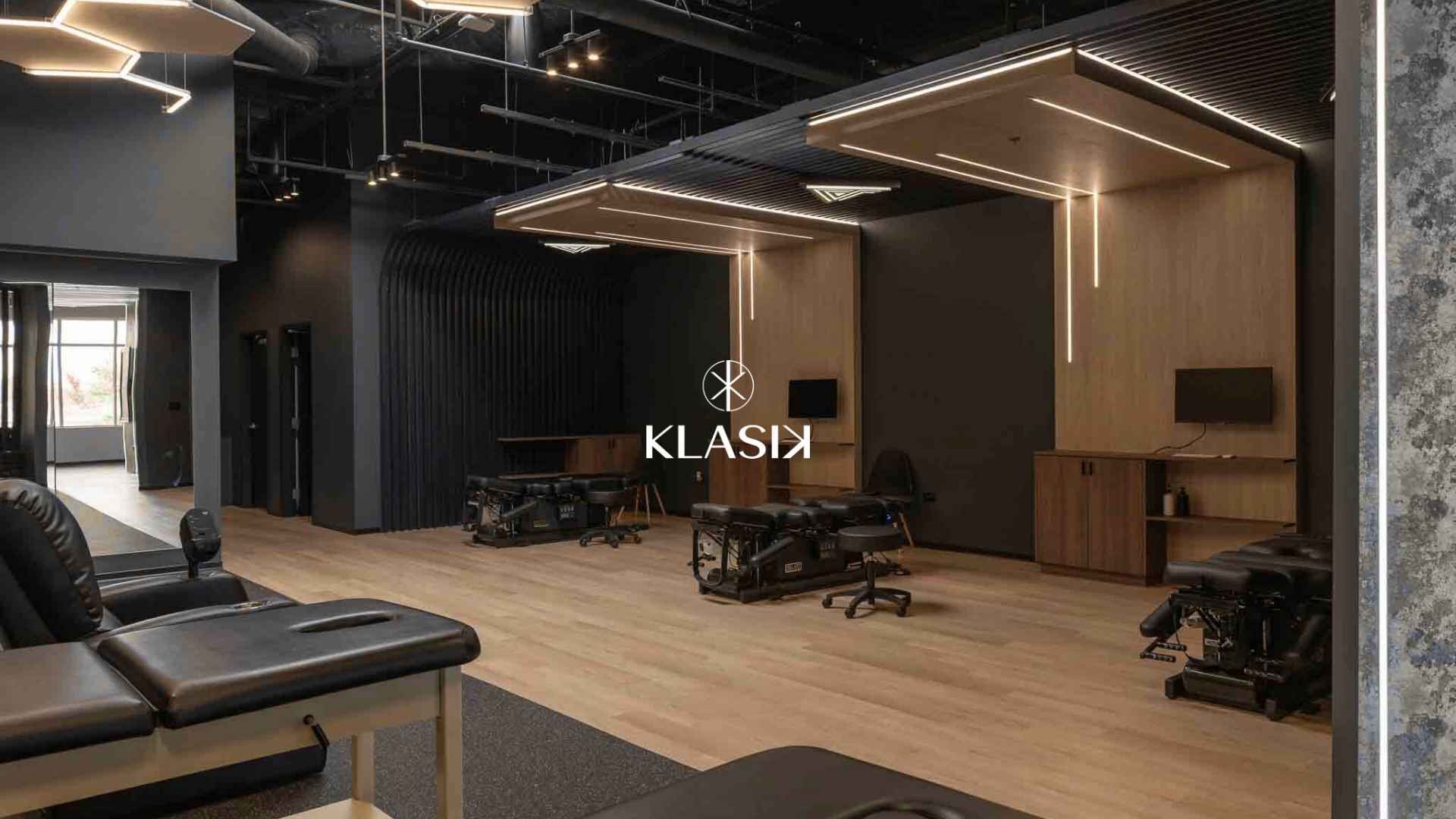
The smell of raw concrete and ionized air from a fresh weld fills the narrow retail corridor on the Gold Coast. A laser level casts a sharp, horizontal red line across a wall that will soon hold the flagship's primary glass display. To most, this is just another tenant improvement project. To the architect standing at the site entrance, that red line represents the thin margin between a vision realized and a compromise accepted.
In Chicago, the friction between design and delivery often starts the moment the drawings leave the architect's desk. The trade secret most general contractors won't share is that they view your drawings as a set of suggestions rather than a mandate. They see a "design intent" and immediately look for the quickest way to simplify it for their subs.
This is where the breakdown happens. At Klasik Construction, we operate on a different frequency. We understand that when you specify a certain grade of steel or a particular joint detail, you aren't being difficult. You are protecting the brand. True execution isn't about just getting the certificate of occupancy. It is about the fidelity of the final build-out matching the initial sketch. We treat the pre-construction phase as a collaborative defense of the original idea, ensuring that transparency in the budget never comes at the cost of the aesthetic.
The disconnect between a set of architectural drawings and the finished physical space is rarely due to a lack of skill. It is almost always a failure of alignment. In the Chicago commercial market, many general contractors treat design documents as a rough guide. They scan for high-finish details and immediately search for "standard" alternatives that are easier to source or faster to install. This is the silent erosion of design intent. When a contractor makes a unilateral decision to swap a specific joint detail or lighting fixture to save time, the integrity of the architect's vision begins to fray.
Beyond the aesthetic, the secondary source of friction is the lack of budget transparency. Architects are frequently put in the difficult position of defending a design that has suddenly become "over budget" halfway through the build. This often happens because the contractor did not provide a realistic cost breakdown during the schematic phase. Traditional bidding models often lead to a "markup illusion" where change orders look profitable on paper but actually indicate a failure in pre-construction planning. This lack of clarity leads to mid-project panic and forced compromises that leave the design team frustrated and the client questioning the value of the architecture.
A true design-partner contractor does not wait for a final set of stamped drawings to start thinking about the build. Integrating construction logic into the schematic phase is the only way to protect a project from the "death by a thousand change orders." At Klasik, we provide pre-construction audits that identify structural or mechanical conflicts while they are still inexpensive to change. Research into early contractor involvement shows that engaging a builder during the design phase can achieve average savings of 7% in total project cost and 10% in construction time.
This collaboration requires a specific communication protocol. We replace vague status updates with what we call "Design Fidelity Reports." These reports explicitly track how site conditions are impacting specific design elements. Instead of simply stating that a wall needs to be moved, we explain how the move affects the intended sightlines or brand adherence. By providing this level of technical detail, we empower architects to make informed decisions that preserve the core of their vision while maintaining the project's financial guardrails.
The Jennivee’s Bakery project serves as a clear example of how technical precision and collaborative problem-solving protect brand identity. In boutique retail and food service, every inch is critical. The design required a specific vintage atmosphere that relied heavily on precise lighting and material transitions. During the build, our field team worked hand-in-hand with the interior designers to solve unexpected structural issues in the existing masonry without altering the planned layout or finish quality.
This level of detail is particularly vital in high-end tenant improvements and flagship retail. Architects designing for brands need a contractor who understands speed-to-market and high-finish execution. We focus on the "clear and detailed breakdown of costs" that architects value most. By managing the complexities of these specialized build-outs early, we ensure that the final result is not just a completed building, but a perfect physical manifestation of the brand’s flagship identity.
It is a common misconception that the lowest bid during the tender process results in the lowest final cost. In reality, projects designed without early contractor input often see significantly higher costs due to rework and late-stage design adjustments. A slightly higher upfront fee for a partner-level GC who provides value engineering during design is a strategic investment. This proactive approach reduces the volume of change orders, which typically increase in frequency toward the end of a project. For instance, design-build models, which prioritize this early integration, have been shown to reduce cost growth by 3.8% on average compared to traditional methods. By paying for expertise early, architects and owners save significant capital and time over the total project life-cycle.
The red laser line on a raw Gold Coast wall is more than a measurement. It is a commitment to the precision the architect intended. At Klasik Construction, our goal is to eliminate the friction that has historically plagued the architect-contractor relationship. We believe that a successful build is one where the final product is indistinguishable from the initial vision. We invite Chicago architects to experience a different kind of partnership. One built on transparency, discipline, and a shared respect for design.
Start the conversation. Let’s discuss how early collaboration can secure the fidelity of your next flagship project.

.png)
Austin Woo is the founder of Rococo Creative, a Chicago-based marketing agency specializing in digital strategy, design direction & AI-powered SEO. He partners with a variety of industries & companies like Klasik Construction to build visibility, trust, and long-term brand value online. With a background in creative strategy and a deep understanding of emerging technologies, Austin helps brands modernize and evolve into stronger, more refined versions of themselves.
.png)
.png)

